Centennial, CO · Garage Door Service
Columbine homes run a median income of $129,480 and were mostly built around 1976 - here's where a new door installation makes more sense than another repair.
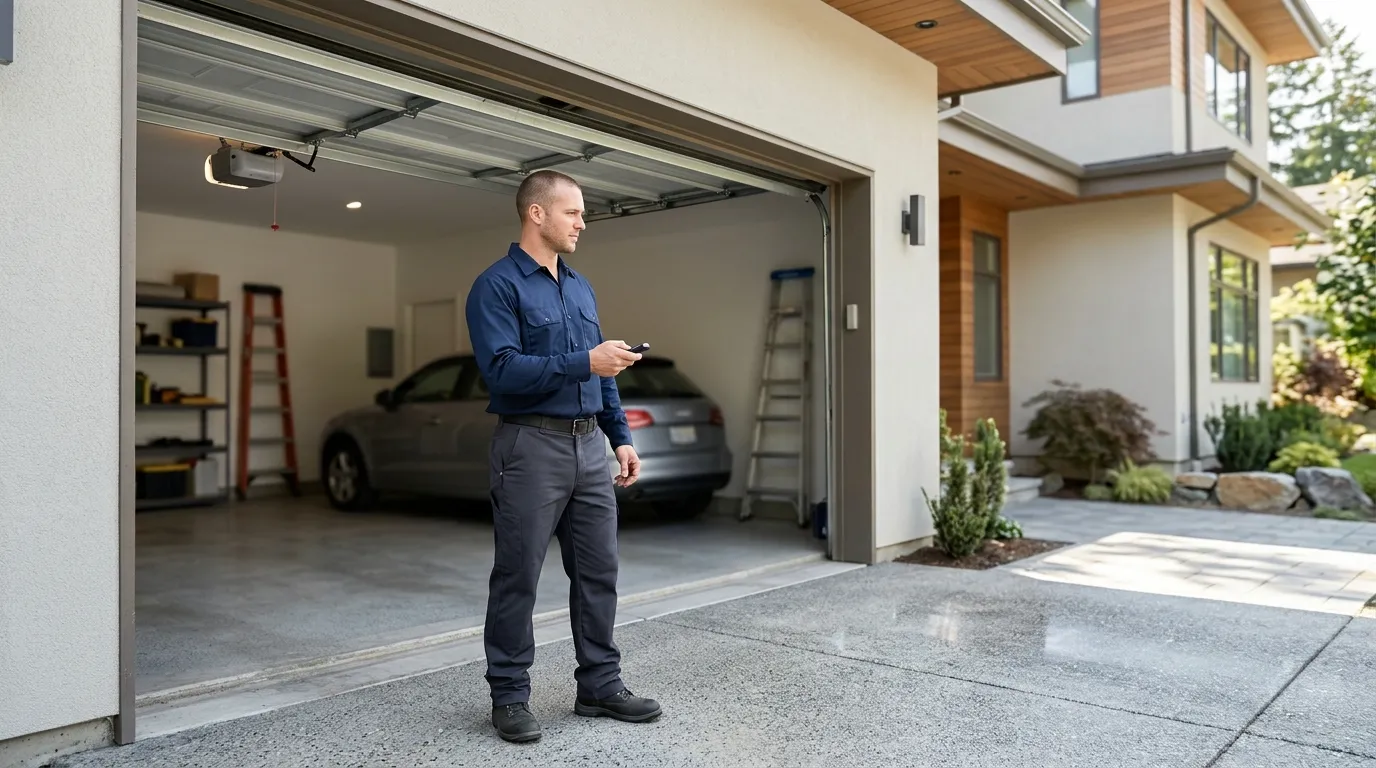
At a median household income of $129,480, Columbine sits well above the region's repair-or-replace tipping point. That number matters because it changes the math on an aging door. When a homeowner here calls about a door that won't open evenly, or a panel that's bowed from a slow leak in the seal, the question isn't whether they can afford a new door - it's whether fixing the old one is throwing money at a problem that's going to come back. For a house built around 1976, which is the median build year for this pocket of the service area, the original door is long past its expected service life even if it's been repainted twice. Torsion springs, tracks, and openers from that era weren't built for 45+ years of Colorado freeze-thaw cycles. When we get a call about a door that's noisy going up, sags at one corner, or won't seal at the bottom, on a house from that build window, we're usually looking at a door that should be replaced outright, not patched again. The repair bill on a door that old often runs close enough to a new one that patching it is a bad trade.
A lot of Columbine owners ask if they can just swap the door panels themselves and keep the old track and opener. On a house from the mid-1970s, that's rarely a clean job. The track spacing, the drum size, and the spring wind on original hardware from that era don't always match what current door panels are built for - you end up forcing new panels onto old rails, which throws off the balance and wears the opener fast. If your opener is original to the house, it almost certainly predates modern force-sensing safety standards, and pairing a new door with that opener means you're running a mismatch that can pinch or fail to reverse on contact. Swapping the door alone without touching the track, drums, and opener is the kind of shortcut that looks fine for a few months and then costs more to unwind than doing it right the first time. If you want to keep your existing opener, that's a conversation worth having before the panels go in, not after.
The truck comes out of Centennial, about 11 miles from Columbine, so what's on it when we arrive is what determines how fast the job moves. We carry standard torsion spring sizes, common track and roller hardware, and openers that fit the panel widths typical of the 1960s-70s stock across this part of the service area. Where it slows down is anything custom - a nonstandard door width, a low-headroom track configuration, or a panel style that isn't one of the common production runs. On a house built in the 1976 range, most of what we run into is standard, which keeps the install straightforward. We won't pretend every job is stock, though. If your opening is an odd size or the framing has settled unevenly over the decades, that gets measured and ordered before we schedule the install, not guessed at on the day.
Colorado's cold climate is hard on garage door hardware regardless of build year, and a severe cold band means the new door and opener both need to handle repeated freeze-thaw cycling without the seals cracking or the springs losing tension early. That's a spec conversation, not a cosmetic one - insulated panels and a cold-rated opener cost more up front but hold up better here than a builder-grade door meant for a milder climate. The other complication is the drive out. Because the crew comes from Centennial, an 11-mile trip, scheduling an install means picking a window that works for both sides rather than expecting same-day walk-up service. That's the honest limitation: this isn't a shop with a Columbine location, it's a Centennial-based crew that serves the area, and the logistics of that trip are part of planning the job, not an afterthought.
Usually, yes. On a house from the 1976 build era, the original track, drums, and spring hardware are near the end of their practical life even if the door still opens. At Columbine's income level, the cost gap between a proper repair and a new door is often small enough that replacement is the better long-term move.
Sometimes, but it depends on the opener's age and the new door's weight and balance. Openers original to 1970s-era homes often predate current force-sensing standards, and pairing them with a new heavier door can strain the motor or create a safety mismatch. We check this before the panels go in.
About 11 miles from Centennial. That's a normal service trip, not a rush job, so installs get scheduled on a set day rather than promised same-day.
We stock the common torsion spring sizes and track hardware that fit typical 1960s-70s construction across the service area. Nonstandard widths or low-headroom setups get measured and ordered ahead of the install date rather than guessed on site.
Call now or request a free quote - same-day service on most repairs, upfront written pricing.