Centennial, CO · Garage Door Service
Ken Caryl homes median at $116,838 income and built mostly after 1987 change the repair-or-replace math. Service from Centennial, 13 miles out.
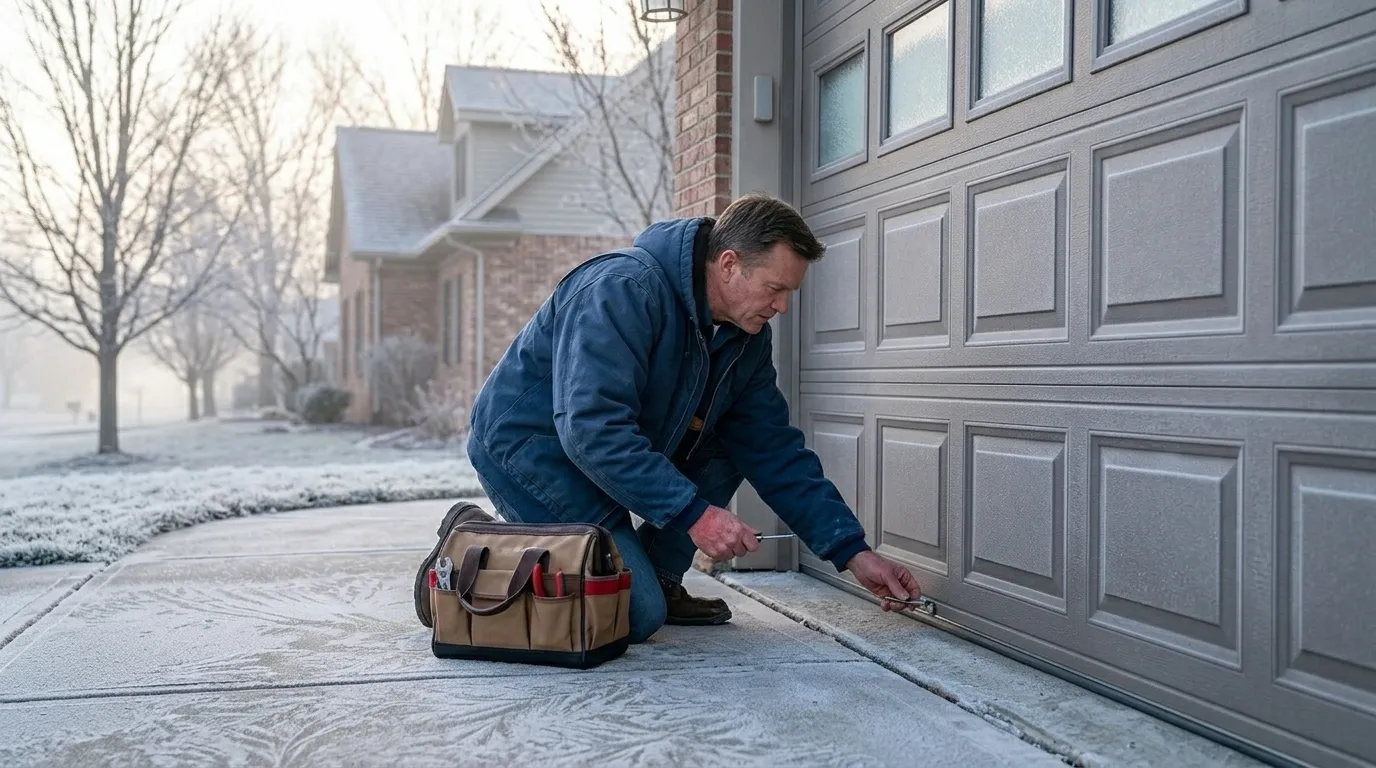
At a median household income of $116,838, Ken Caryl sits well above what usually decides whether a door gets fixed or replaced. That number matters because the repair-or-replace line isn't really about the door - it's about what a household can absorb without thinking twice. Below a certain income, a $400 spring job feels like a decision. Above it, most owners just want the door working again by evening and don't spend a lot of time weighing options.
What that means for a service call here: we don't push replacement as hard as we might in a neighborhood where every dollar is stretched. If a torsion spring, a cable, or a roller has failed on a door that's otherwise sound, we fix that part and move on. Replacement gets recommended when the opener is original, the track is bent past a clean re-set, or the panels are rusted through - not because of what the house is worth.
One honest limitation: if you need a specific part that's on manufacturer backorder - some openers and certain wide double-door tracks run into this - we'll tell you the wait up front rather than guess at a date. We travel from Centennial, about 13 miles out, so we schedule the drive around the parts we're bringing, not the other way around.
Ken Caryl's housing stock centers on 1987, noticeably newer than the wider service area's 1978 median. That gap changes what we find behind the door. Instead of original 1960s-70s hardware, most Ken Caryl garages have late-80s and 90s openers and torsion systems - a different generation of parts, with different failure points. Chain-drive openers from that era are wearing out on drive gears and logic boards rather than the sheet-metal fatigue you see in older stock.
The other complication is the climate band this area sits in - cold and severe. Openers and spring steel both lose tolerance in hard freeze-thaw cycles, and lubricant that's fine in fall turns stiff by January. On a newer door this usually shows up as slow travel or a noisy reversal, not a full failure, so owners tend to wait longer before calling than they would with an obvious break. That's not wrong, but it does mean the spring is often closer to the end than the symptoms suggest.
With 13,655 households in Ken Caryl and most of the housing dating to the mid-to-late 1980s, the failures we see cluster around age-appropriate wear rather than the older original-hardware problems found in earlier-built parts of the service area. Torsion springs installed when a house went up in 1987 are now well past a normal service life, and a lot of them are still the factory spring, never swapped.
Cold-severe winters add a second layer: steel garage door panels and torsion springs both contract in hard freezes, which is when a spring that's been slowly fatiguing finally lets go - often on the coldest morning of the week, which is not a coincidence. Openers from this build era also tend to be on their second or third remote and first replacement logic board, if they've been serviced at all.
We don't see much of the side-mounted low-headroom hardware that shows up in older neighborhoods closer to Centennial's core. Ken Caryl's garages were mostly built with standard torsion setups from the start, which actually makes most jobs here more straightforward, not less.
A straightforward torsion spring or cable job on a standard setup - which describes most Ken Caryl garages - runs a single visit, start to finish, once we're on site. What we can't promise is a same-day slot purely because of drive time: Ken Caryl is about 13 miles from where we're based in Centennial, so it's built into the schedule as a route stop, not a walk-in.
Opener replacements on 1980s-era garages usually go faster than expected, since the wiring and mounting from that construction period is standard and doesn't need retrofitting the way older houses sometimes do. Where a job runs longer is when the track has to be re-aligned because of foundation settling - not common, but not rare either in houses now approaching 40 years old.
If a part isn't something we carry on the truck, that adds a day or two, and we'll say so on the phone before we book the visit, not after we've already shown up.
No. We're based in Centennial and drive out to Ken Caryl, about 13 miles, for every job. There's no local branch or depot here, so scheduling accounts for that drive rather than promising a same-day window.
Yes. Most Ken Caryl homes were built around 1987, later than the area's overall 1978 median, so the openers and torsion hardware are a newer generation with different wear points - mostly age and cold-related fatigue rather than the outdated original hardware found in older houses.
For most Ken Caryl homes, given the area's income level, we lean toward fixing the specific failed part - spring, cable, or opener - unless the panels are rusted through or the track is bent beyond a clean reset. We don't push replacement just because a house could afford it.
This area sits in a cold-severe climate band, and torsion springs that have been slowly fatiguing for years often let go on the coldest mornings, when the steel is least forgiving. It's usually the end of a long wear process, not a sudden defect.
Call now or request a free quote - same-day service on most repairs, upfront written pricing.