Centennial, CO · Garage Door Service
A look at what buying a replacement garage door in Centennial actually involves - the building years, the cold climate, and the sizing quirks of the area's housing stock.
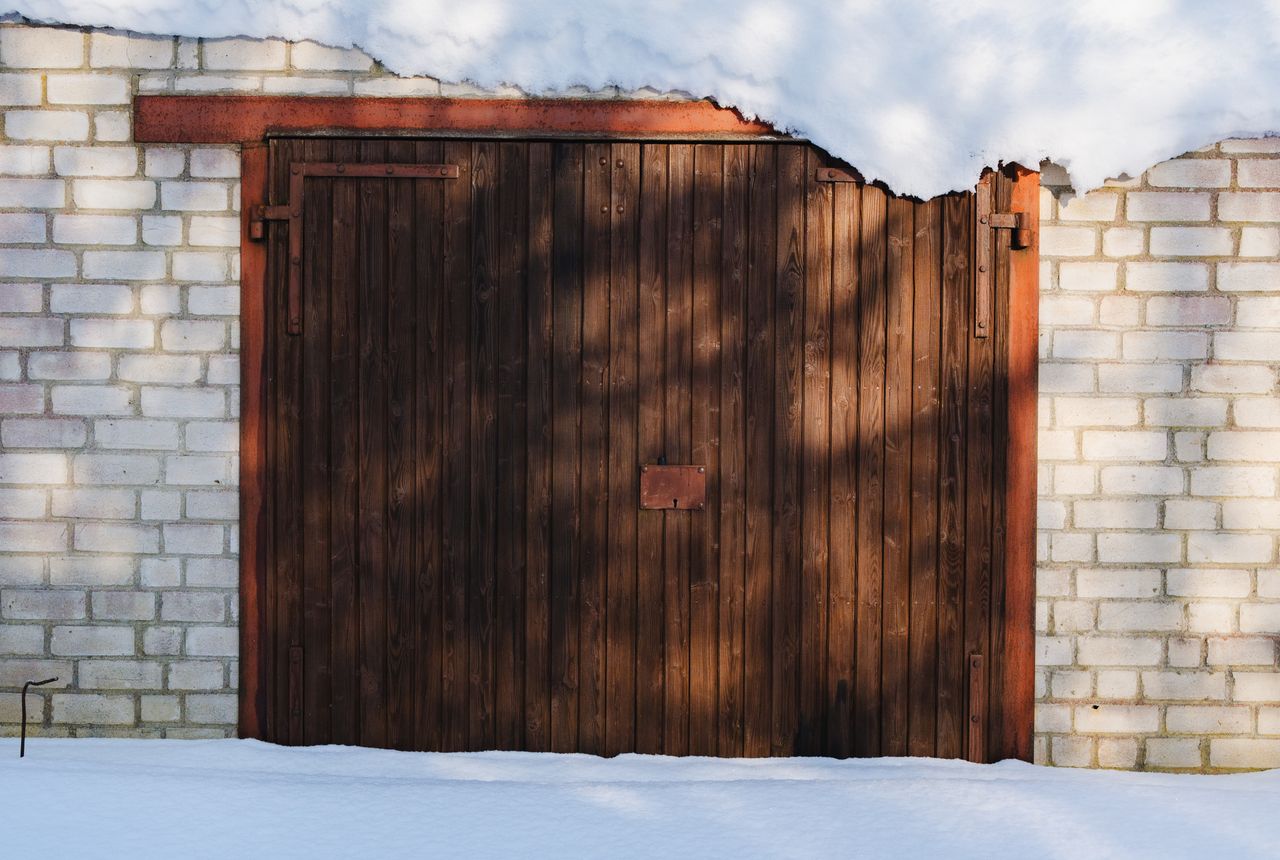
Timing matters more here than people think. Centennial sits in a cold-severe climate band, and a bad spring means a door stuck half-open during a hard freeze, or a panel that won't seat right because the slab has heaved. If you're planning ahead rather than reacting to a broken spring, late spring or early fall gives you the best install conditions - the ground isn't frozen, and the door has a chance to settle before the first cold snap tests the weatherstrip. Buying in the dead of winter isn't wrong, it just means the crew is working around conditions the door will have to live with immediately. Across the service area's 58,186 owner-occupied houses, most people end up replacing on their own schedule rather than an emergency one, since a working door with a failing opener or a dented panel usually gives you weeks of warning, not hours. That's the window to use. Waiting until the door won't open at all narrows your choices to whatever's in stock, not what actually fits the opening or matches the rest of the house.
Start with the build year, because it tells you what you're actually replacing. Housing here runs from 1938 to 2005 with a median around 1978, and most neighborhoods in the area - the older sections near Cherry Creek and Meridian included - were built in the 1960s and 70s stock that came with narrower headroom clearances and torsion springs sized for lighter, uninsulated steel panels. A new door with a thicker insulated core weighs more, which sometimes means the old spring and hardware won't carry it safely. Measure headroom, backroom, and sideroom before you shop, not after you've picked a style. Check the opener's lift capacity against the new door's weight rating. And check the R-value on anything you're quoted - in a cold-severe climate, a door without a real thermal break is going to underperform no matter how it looks in the showroom. If your household is like most in this income range across the area's 115,397 households, you can afford to buy once and buy right, rather than the cheapest panel that fits the rough opening.
Cold-severe conditions are hard on a garage door in ways that aren't obvious until you own one. Steel contracts in deep cold, which is why an older single-layer panel from a 1970s build often develops a rattle or a gap at the bottom seal that wasn't there in summer. Condensation forms on the inside face of an uninsulated door when the garage is warmer than the outside air, and that moisture cycle is what eventually rusts out the bottom panel and pits the track. An insulated door with a solid thermal break resists that swing better, but no door is immune to a hard freeze locking a bottom seal to the slab overnight. If you're buying new, ask specifically about the door's insulation rating and whether the weatherstrip is rated for this kind of cold - not every stock door sold regionally is built for it, and the difference shows up in January, not on the showroom floor in June.
Here's the part nobody likes to hear: a lot of openings in the older pockets of the service area - the 1960s and 70s stock especially - aren't standard width by today's manufacturing sizes. A door built for a 1978-median-era house sometimes needs a custom width or a jamb extension to take a modern insulated panel, and custom sizing adds both cost and lead time. We won't tell you a stock door will fit an opening it won't, and we won't push a full replacement on a door that just needs a new bottom seal and a spring. If the frame's sound and the track's straight, sometimes the honest answer is a repair, not a new door - even though a new door is the bigger job. Get the actual measurements before you commit to anything, and don't take a quote over the phone as a fit.
Given the cold-severe climate band this area sits in, an insulated door with a real thermal break holds up better through winter than a single-layer steel panel. It also cuts down on the condensation cycle that rusts out older doors from the inside. Standard steel isn't unsafe, it just won't perform as well here long-term.
Not always without modification. A lot of homes in the area's 1960s and 70s stock have openings sized to older manufacturing standards, so a stock-width door can need a jamb extension or custom order. Measure headroom, backroom, and sideroom before assuming a standard size will drop right in.
Depends on what's broken. A sound frame and straight track with a failed spring or seal is usually worth repairing. A door that's rusted through, warped, or mismatched to a heavier opener load is a replacement conversation. We'll tell you which one you've actually got rather than defaulting to the bigger job.
Call now or request a free quote - same-day service on most repairs, upfront written pricing.