Centennial, CO · Garage Door Service
Centennial homes built 1938-2005, most from the 1960s-70s, often carry garage doors made before insulation codes tightened. Here's what that means for winter.
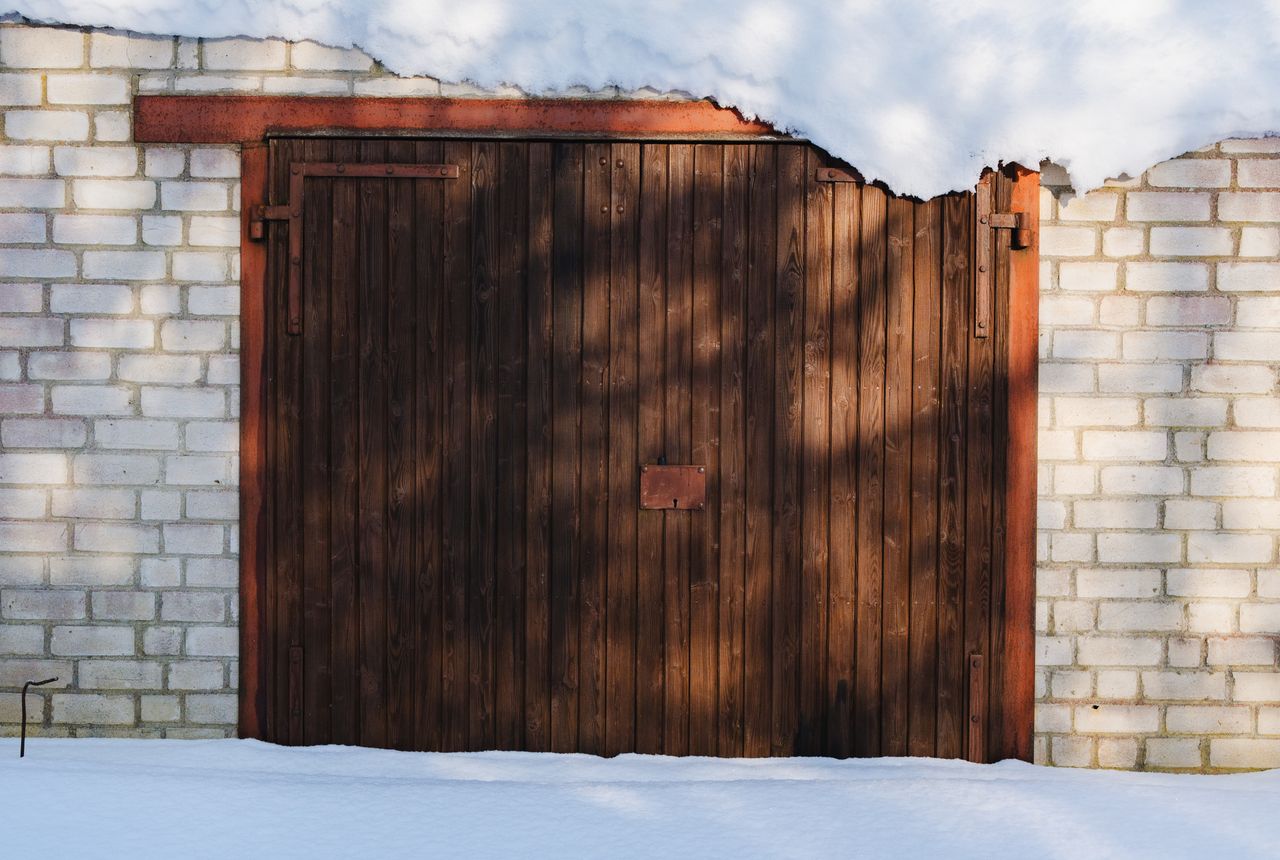
Centennial's housing stock runs from 1938 to 2005, with a median build year of 1978 and most of the 30 named areas we cover dominated by 1960s and 70s construction. That matters more for garage doors than almost anything else in the house, because insulation requirements for doors weren't standard practice when most of these were framed and hung. A door installed in a house built in 1971 was very likely a single-layer steel or wood panel with no foam core, hung on hardware sized for a lighter, uninsulated slab. Every fall, that gap between old door and current cold shows up as a service call. The door itself hasn't changed. The winters keep asking more of it than it was built to give. If your house falls in that median-era band, the door is probably original vintage even if it's been repainted or had a new opener bolted on since.
Start at the bottom panel, since that's where an uninsulated door meets the coldest air first. Press a hand along the weatherstrip on a cold morning - if you feel a draft moving instead of resistance, the seal has hardened or shrunk, common on doors from the 1970s that have gone decades without the strip being replaced. Next, check the panel itself for a hollow, single-wall feel when you knock on it. A foam-core door sounds and feels different, dense rather than tinny. Look at the springs too: torsion springs on houses from this era were often sized for a lighter, non-insulated door, and if a previous owner swapped in a heavier insulated replacement without upgrading the spring, you'll see the door struggle to lift evenly, especially once the steel contracts in cold weather. Check the track bolts for rust bleed at the mounting points, since older galvanizing wasn't as thorough as what's used now.
This is a cold, severe climate band, and steel doesn't stay one size through it. An uninsulated panel contracts more than an insulated one across a hard freeze-thaw swing, and on a door installed decades ago, that repeated shrink-and-swell works the seams and fasteners loose faster than it would on newer stock. Nylon rollers stiffen and crack in the cold on doors that never got upgraded from the original steel rollers or the early plastic ones. Lift cables, especially on a 1970s-era door with an under-built spring system, see more load in a hard cold snap because the steel itself is heavier to move when it's contracted tight. None of this is dramatic on its own. It shows up as a door that groans on the first lift of a cold morning, or one that starts binding at the same spot every winter, right where the track has racked slightly out of square from age.
The honest issue is that insulating an old panel after the fact rarely fixes what's actually wrong. You can add a foam kit to a hollow steel door built in the 1960s or 70s, and it'll cut some noise and slow some heat loss, but it won't fix hardware that was sized for the lighter, uninsulated slab in the first place. If the spring, rollers, and track were all matched to the original door's weight, adding mass without upgrading them just shortens the life of everything else. For a lot of these houses, once you're past patch repairs, a full door and hardware swap sized correctly for insulated steel ends up being the more honest fix, even though it costs more up front than a foam kit and new weatherstrip. We won't sell you insulation you don't need if the rest of the hardware isn't going to hold up anyway.
If your house was built between 1938 and 2005, especially in the 1960s-70s range that makes up most of the area's stock, check for a single-layer steel panel with no visible foam core when you look at the cut edge or a service hole. No manufacture date sticker is also a clue, since many older doors never had one.
It helps with noise and some heat loss, but it doesn't address hardware built for a lighter, uninsulated slab. If your springs and rollers are original, adding foam weight can strain them faster in our cold winters rather than solving the underlying issue.
That's usually a track that's racked slightly out of square from decades of freeze-thaw cycling, common on doors from the 1960s-70s stock that makes up most of this area. The steel contracts more on an uninsulated panel, which stresses the same weak point repeatedly.
Call now or request a free quote - same-day service on most repairs, upfront written pricing.