Centennial, CO · Garage Door Service
A look at what our techs actually check on a Centennial service call, tied to this area's 1960s-70s housing stock and cold, dry winters.
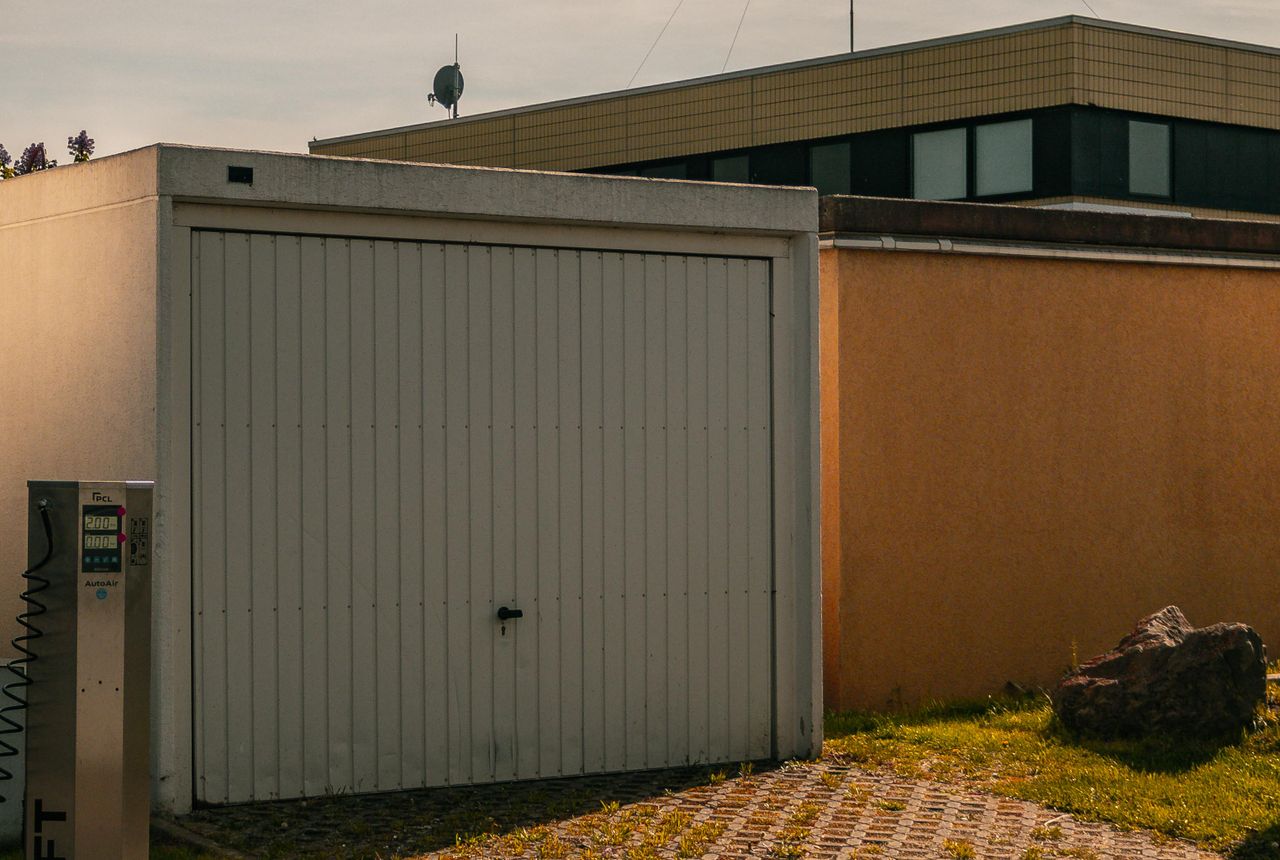
Most of the houses we get called to sit on stock built between 1938 and 2005, with a lot of it clustered in the 1960s and 70s across the thirty or so named areas that make up this service territory - Cherry Creek, Meridian, Grand View Estates, Foxfield, and out toward Stonegate. That range matters because a door installed in 1968 has been through fifty-plus Front Range winters on hardware nobody has upgraded since the Carter administration. We don't do a once-a-year tune-up sales pitch here. What we do is a checklist built around what actually fails on doors this old, in this climate, and we run it whether you called about a noise or a dead opener.
The seasonal part isn't marketing language - it's that cold-band swings here hit springs and lubricant differently in January than in July, and a door that was fine in September can bind hard by December. We time a fall check to catch what winter will make worse, not because a calendar says so.
On a standard visit we go through the track alignment, roller wear, cable fray, spring tension, and opener force settings, in that order, because on 1960s-70s stock those are the five things that go first. Torsion springs on doors from that era were often sized for lighter panel material than what's on the door now if it's ever been replaced, so tension checks aren't optional - they're the first thing we look at.
We also check the bottom seal and the weatherstripping around the panel edges, since houses in this median-1978 stock were built before dual-pane doors were standard and the gap tolerances are looser than anything built after 2000. If your opener is original to a house from that build window, we check the force setting against what the motor can actually handle now, not what the sticker says it was rated for new.
Honest limitation: we don't replace panels on-site if the color or profile is discontinued - some of the 1970s stock used steel gauges and finishes nobody stamps anymore, and that part has to be special-ordered.
This is a cold, severe climate band, and that does specific things to a door that a mild-winter town never deals with. Grease that's fine at 55 degrees turns to paste at 10 below, and that's when torsion springs bind and openers strain against resistance they were never asked to fight in summer. We see it most on doors in the older pockets near Cherry Creek and Meridian, where original steel track hasn't been swapped for anything with a wider tolerance.
Dry cold also shrinks wood jambs and door stops, which on houses from the 1938-2005 build range means the seal gap changes season to season even if nothing broke. A door that closed flush in August can leave a quarter-inch gap in January purely from the frame moving, not from the door itself failing. That's a jamb issue, not a door issue, and it's one of the more common false alarms we get called out for.
The core problem with a service call in a service area this size - 115,397 households, 58,186 of them owner-occupied houses spread from Foxfield out to Roxborough Park - is that the housing stock varies more than fifteen miles of distance suggests. A door twenty minutes northwest near Wheat Ridge and one near Castle Pines Village were likely built to different code eras, and springs, cables, and openers were sized differently for each.
We don't guess at what's on your door before we see it. A call that starts as 'the door won't close' can end up being a spring, a sensor, or a jamb that shifted with the cold, and the fix - and the price - depends on which. What we can promise is that the check covers the same points every time: track, rollers, cables, springs, opener force, and seal, because those are the parts that fail first on doors from this build era in this climate.
Given the cold band here, a fall check before the hard freezes hit catches the lubrication and tension issues that winter makes worse. Most of the doors we see are decades old, from the 1960s-70s stock common across this area, so once a year is the minimum, not a maximum.
Grease that works fine in summer stiffens in cold, severe winters like the ones here, and older torsion springs installed decades ago weren't always sized with that swing in mind. It's one of the most common cold-weather calls we get.
Not always on the same visit. Some steel gauges and finishes from the 1970s-era stock common in this area are discontinued, and matching panels sometimes means a special order rather than a same-day fix.
Not necessarily. Dry cold shrinks wood jambs on older houses, which can open a seasonal gap even when the door and seal are fine. We check the jamb before we recommend replacing the weatherstripping.
Call now or request a free quote - same-day service on most repairs, upfront written pricing.