Centennial, CO · Garage Door Service
Most Centennial garage doors date to the 1960s-70s boom or the later 1978 median build year. Here's how to tell if yours is worth fixing before winter.
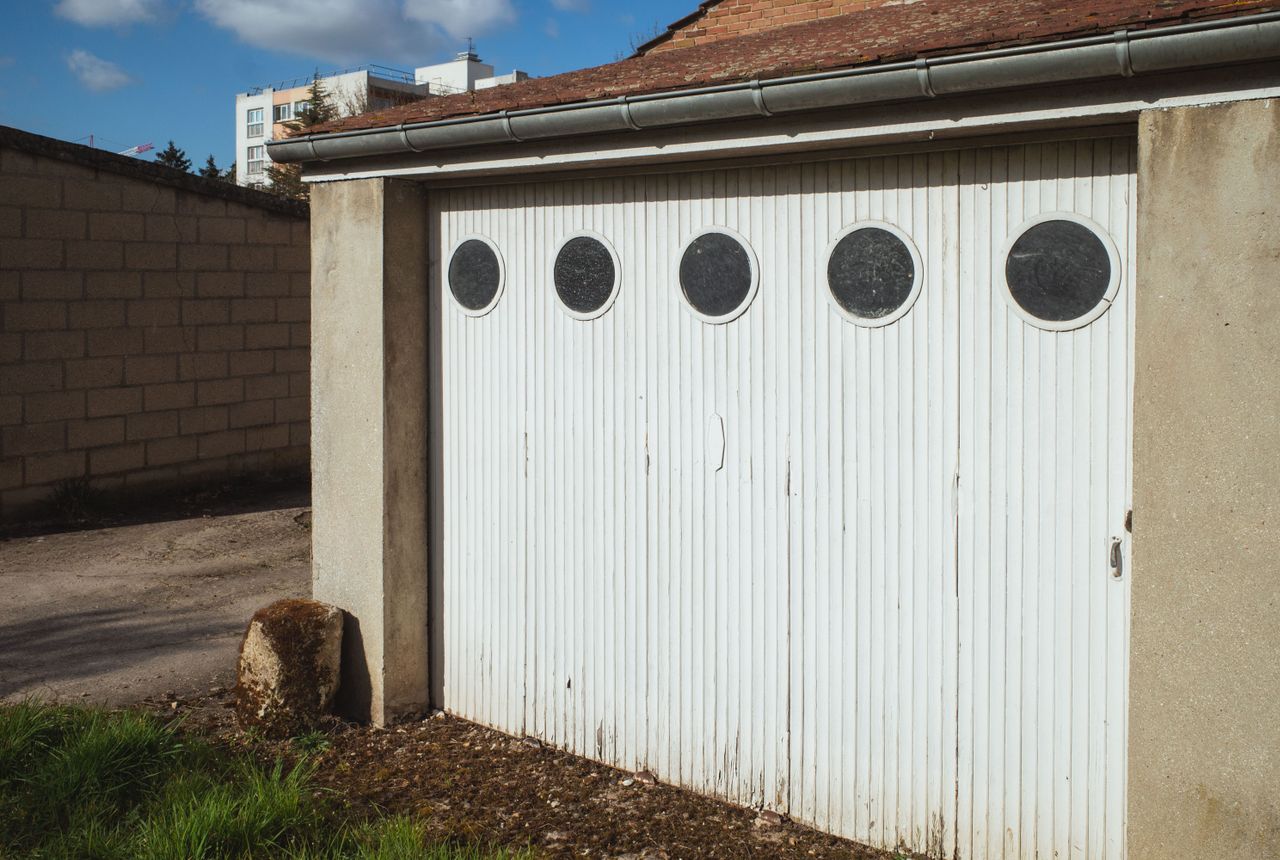
Fall is when we get the calls. A door that's worked fine all summer suddenly binds, groans, or won't seat right once the first cold nights hit. That's not coincidence - it's the hardware finally showing its age. Centennial's housing stock runs from 1938 up through 2005, with a median build year of 1978, and most of the doors we're called out on are original or close to it. Springs that have cycled for forty-plus years lose tension unevenly. Tracks that were leveled once in 1978 have shifted with decades of ground settling. None of this is dramatic on its own, but cold weather is what turns a minor imbalance into a door that won't open. If your door is from that era and it's starting to act different in October, don't wait for January to deal with it. A tune-up now costs less than an emergency call once the hardware actually fails on a ten-degree morning.
Start with the springs. On a door from the 1960s or 70s stock common across this area, torsion springs are usually original or on their second set, and you can often see rust or gaps in the coil if you look. Next, check the rollers - steel rollers from that period rattle and stick; if yours sound like a shopping cart, they're due. Check the bottom seal too. On a door built before double-pane code updates, the seal is often the only thing keeping the slab from acting like a cold sink into the garage. Last, run the door by hand with the opener disconnected. If it's hard to lift or drops fast, the springs are doing less work than they should, and that's a safety issue, not just a comfort one. None of this requires tools beyond a flashlight and five minutes. What it tells you is whether you're looking at a $150 repair or a full replacement - and that's the call worth making before the weather decides for you.
Centennial sits in a severe cold climate band, and that matters more for garage doors than most homeowners think. Steel contracts in cold, which tightens tolerances on tracks and hinges that were set decades ago for a different range of temperatures. Nylon rollers get brittle below freezing and can crack instead of just wearing down. Lubricant that was fine in August turns thick in January, which is why a door that opened smoothly all fall suddenly strains the opener motor once real cold sets in. On older doors - the kind built into homes going back to 1938, with a lot of the stock centered in that 1960s-70s wave - insulation is often minimal or absent, so the door itself becomes a cold surface radiating into the garage and sometimes into an attached wall. That's not a defect, it's just what a fifty-year-old slab does in a cold climate. It's also the single biggest reason a repair-only approach eventually stops making sense.
Here's the part we're honest about: not every old door is worth saving. If the springs, rollers, cables, and seal all need work at once, and the door itself is a single-layer slab from the earlier end of that 1938-2005 range, you're often better off replacing the whole unit instead of nursing it through another winter. We'll tell you that instead of billing you for four separate repairs that add up to more than a new door. On the other hand, a well-built door from the 1978 median era with sound panels and a bent track or dead spring is usually a straightforward fix, not a replacement job. The honest limitation here is that we can't give you a firm number without seeing the door - a torsion spring job and a full teardown price out very differently, and guessing over the phone does nobody any favors. What we can tell you is that in this climate, waiting rarely saves money.
It's possible. A lot of Centennial's housing stock, including areas like Cherry Creek and Grand View Estates, went up during that 1960s-70s wave, and it wasn't uncommon for the original door and hardware to still be in place decades later. If you've never replaced the springs, they're likely original and due.
Yes. Centennial sits in a severe cold climate band, and steel hardware, nylon rollers, and standard lubricant all behave differently below freezing. On an older door with minimal insulation, the cold also comes straight through the slab, which is why doors that were fine in September start sticking or straining by December.
If only one part is failing - a spring, a roller, a bottom seal - repair is almost always cheaper. If several systems are failing at once on a door from the older end of the 1938-2005 range, the repair costs stack up fast and replacement often ends up the better deal. We'll walk you through both numbers before doing any work.
Call now or request a free quote - same-day service on most repairs, upfront written pricing.