Centennial, CO · Garage Door Service
Serving Wheat Ridge, 18 miles from our Centennial base. Homes here date to a 1964 median build year, which changes what breaks and what parts fit.
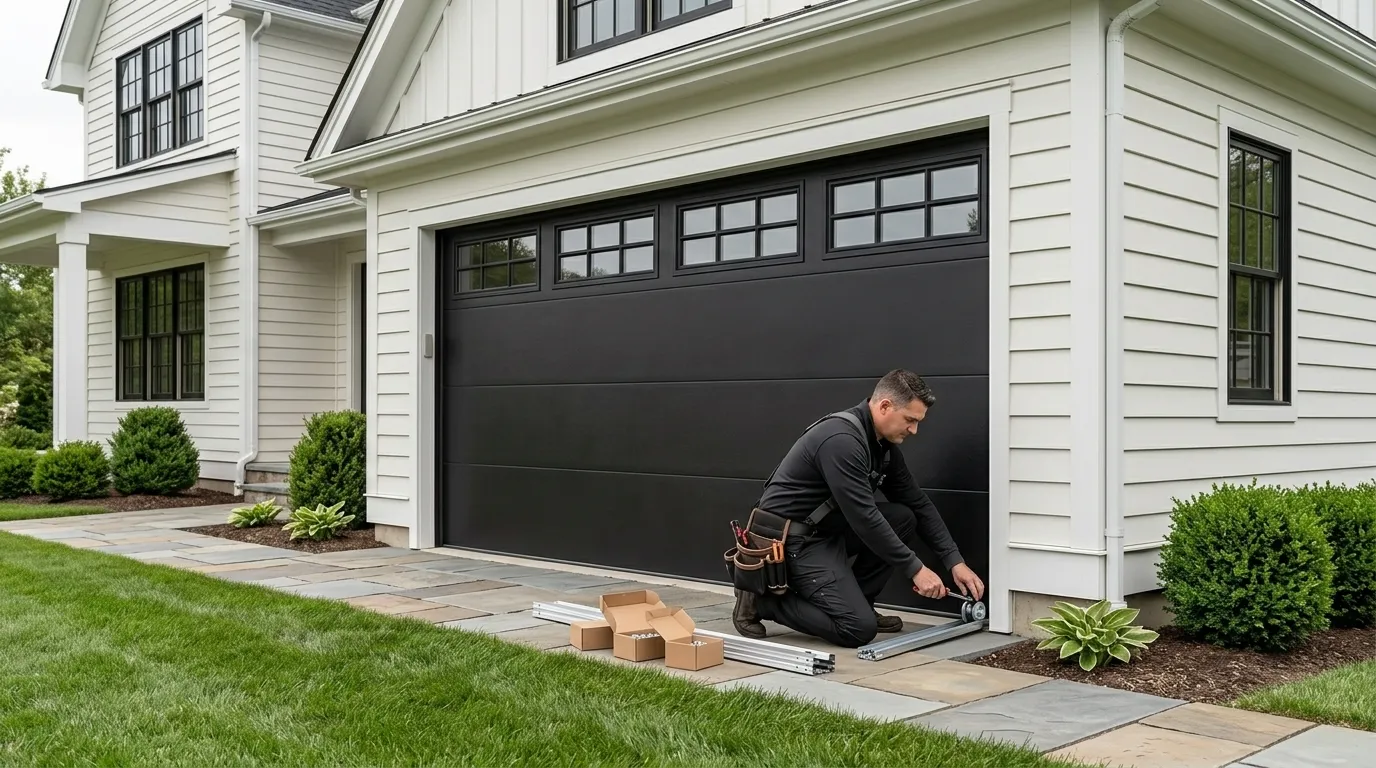
We drive out to Wheat Ridge, about 18 miles from our Centennial base, for the kind of jobs that come with older torsion hardware and openers that have outlived their circuit boards. Because the median home here was built in 1964, a lot of the doors we open up still have the original track brackets, even if the door panel itself has been swapped once or twice since. That's different from newer subdivisions closer to us, where we're mostly dealing with factory openers under ten years old. Here we spend more time explaining why a part doesn't exist anymore than we do actually replacing it. The most common call is a spring that let go on a door that's 30-plus pounds heavier than what the original 1960s hardware was ever spec'd to lift, because a heavier insulated door got installed at some point without upgrading the spring size to match. We also see a fair number of openers on 3/4 horsepower motors straining against doors they were never sized for.
Wheat Ridge's housing stock centers on a median build year of 1964, which puts it solidly in the 1960s wave that shows up across a lot of the area we cover - F2 notes this pattern repeats through 30 named communities, not just here. Citywide, homes in our service area range from 1938 to 2005 with a median around 1978, so Wheat Ridge sits noticeably earlier than the average. With 15,041 households and a median income of $87,598, this isn't a market where doors get replaced on a whim - most owners fix what they have until it stops making sense to fix it. The area falls in a cold, severe winter climate band, same as the rest of our coverage, which matters for weatherstripping and cold-weather spring tension more than it matters for the door style itself.
A 1964 build year usually means a single-car or narrow double bay, sized for cars that were smaller than what people park now, with a header and jamb built for a lighter door than most homeowners buy today when they replace one. That mismatch is where we spend most of our diagnostic time: a heavier steel or insulated door gets hung on hardware sized for the original lightweight panel, and the torsion spring wears out early or the opener burns out trying to compensate. Rollers on these older tracks are often the narrow-stem type that current standard rollers don't fit without an adapter or a track swap. If your opener is original or close to it, we're also looking at chain-drive units with no battery backup and no rolling code security, which matters if you're thinking about resale. None of this means the door needs to come out - a lot of these setups just need correctly matched spring rate and a roller conversion to run another couple decades.
Broken torsion springs top the list, usually on doors that were upgraded to heavier panels without the spring size being recalculated to match. Second most common is an opener that's simply reached the end of its motor life, especially on the older chain-drive units still running in a lot of these houses. We also get calls about tracks that have bent or narrowed over 60 years of settling and seasonal ground movement, which is a foundation issue as much as a door issue, and it's worth knowing that before you pay to have a track re-aligned that's going to bend again. One honest limitation: if your opener motor is an obsolete model with no replacement logic board available, we'll tell you straight that a full opener swap is cheaper and more reliable than chasing parts for something discontinued 15 years ago.
No. We run out of Centennial, about 18 miles away, and drive out for scheduled jobs in Wheat Ridge. We don't claim a local depot or a guaranteed response time here - just that we'll show up for the appointment we book with you.
If the new door is heavier than the original panel your house was built with in 1964, and the spring wasn't upsized to match, the spring works harder than it's rated for every single cycle. It's a common mismatch on older Wheat Ridge homes and it shortens spring life significantly.
Sometimes, but not always. Boards and logic controllers for openers that old are often discontinued. We'll check before we quote, and if the part doesn't exist anymore, we'll say so rather than string out a repair that isn't going to hold.
Call now or request a free quote - same-day service on most repairs, upfront written pricing.